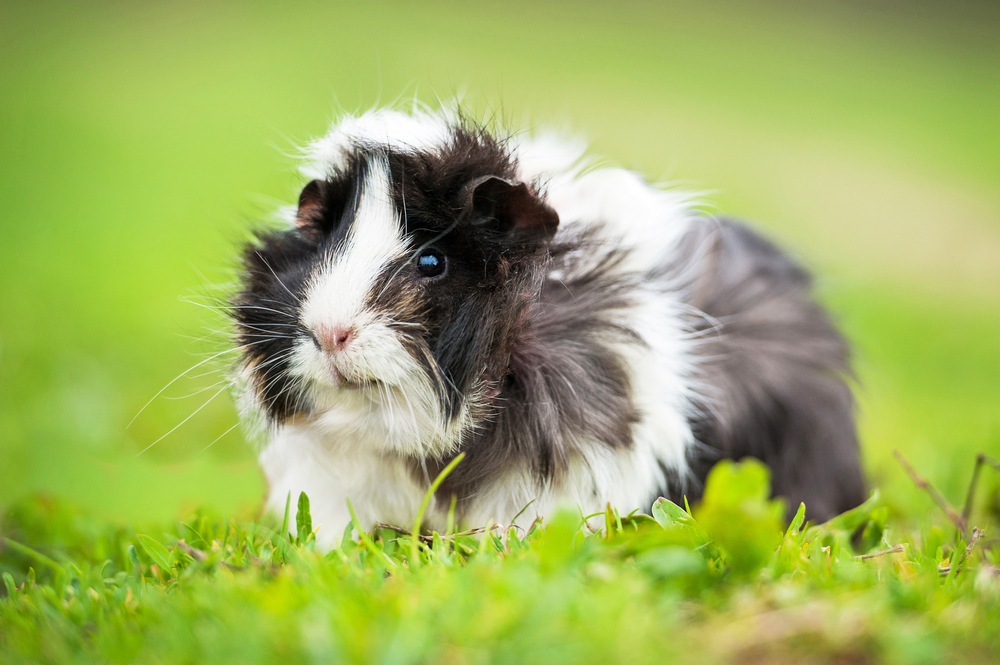
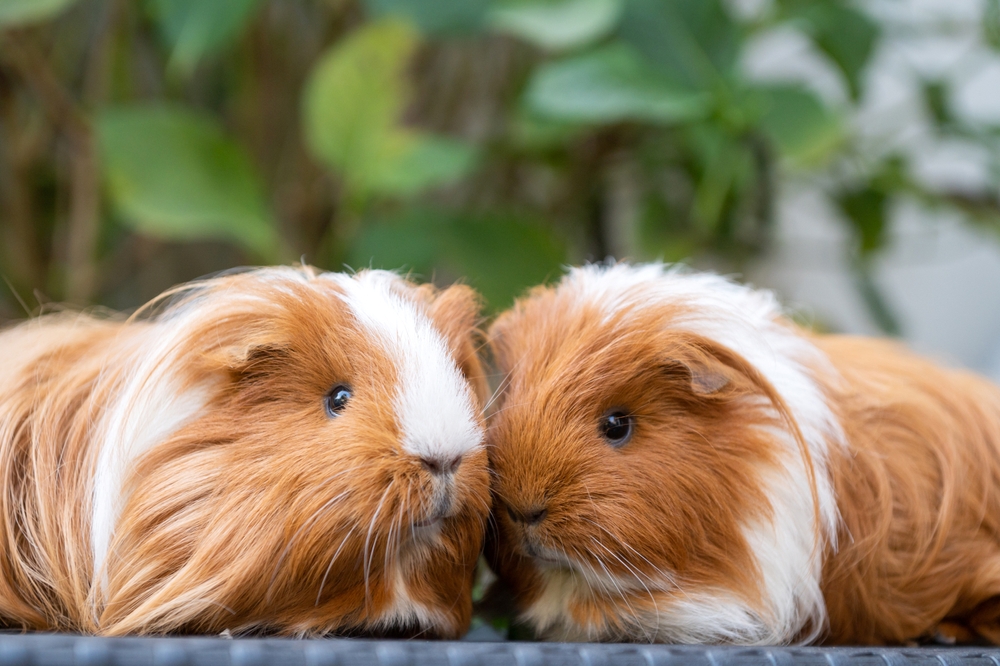
The guinea pig is a distinctly unique rodent—biologically, behaviorally, and culturally. Unlike most small mammals, it displays a blend of gentle temperament, precocial birth, nutritional specialization, and a rich history of domestication that spans both science and tradition.
Precocial Offspring:
One of the guinea pig’s most unusual traits is that its young are born precocial—fully furred, eyes open, and capable of eating solid food within hours.
-
This is rare among rodents, which usually give birth to helpless, altricial young
-
Long gestation (~2 months) supports advanced fetal development
-
This trait reflects evolutionary survival in open grassland environments where early mobility is crucial
Nonstop Growing Teeth & Constant Grazing:
Guinea pigs have continuously growing incisors and require a fiber-rich diet to wear them down. But unlike many rodents, they also rely on nonstop grazing:
-
They must constantly chew to maintain both dental and digestive health
-
Their digestive tract depends on high-fiber intake and coprophagy—re-ingesting soft feces to absorb nutrients, especially vitamin B and K
Vitamin C Dependence:
Guinea pigs are one of the few mammals (along with humans and primates) that cannot produce their own vitamin C. This unique metabolic trait:
Gentle, Non-Aggressive Temperament:
Unlike many rodents, guinea pigs are:
-
Non-aggressive and mild-mannered
-
Prefer to flee or freeze rather than bite
-
Highly social, communicating through a rich range of vocalizations (chirps, squeaks, purrs, whistles)
Their docile nature and minimal biting instinct make them ideal for children and research, and unlike hamsters or gerbils, they rarely show territorial aggression.
Unique Communication:
Guinea pigs are highly vocal and expressive, with one of the broadest vocabularies among rodents:
-
Wheeking: A loud squeal for food or attention
-
Purring: Contentment (low pitch) or anxiety (high pitch)
-
Chutting and chirping: Exploratory or social sounds
-
Teeth chattering: Warning or irritation
-
“Popcorning”: A joyful behavior where they hop in place, often seen in young pigs
Cultural and Historical Importance:
-
Domesticated over 3,000 years ago by Indigenous Andean cultures
-
Used as ritual animals, food, and folk medicine in South America
-
Introduced to Europe in the 1500s and became fashionable pets among royalty
-
Still consumed ceremonially in Peru, Ecuador, and Bolivia
-
Widely used in biomedical research, particularly for nutrition, endocrinology, and immunology studies
The guinea pig’s uniqueness lies in its blend of evolutionary biology, nutritional specialization, and human integration. It is not only a gentle companion and expressive pet, but also a scientifically valuable and culturally significant animal with an identity all its own.