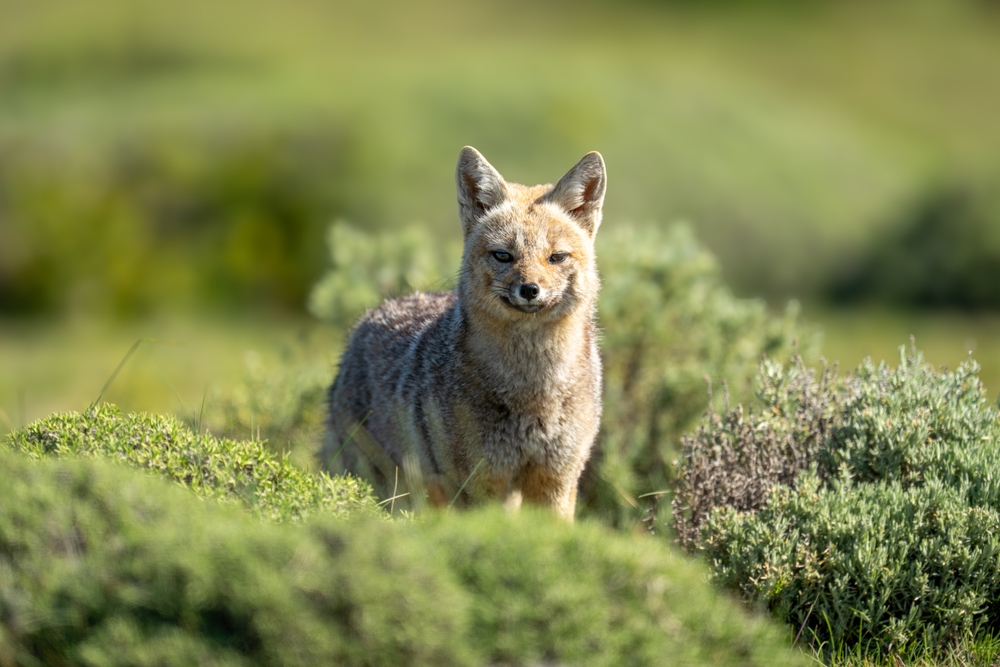
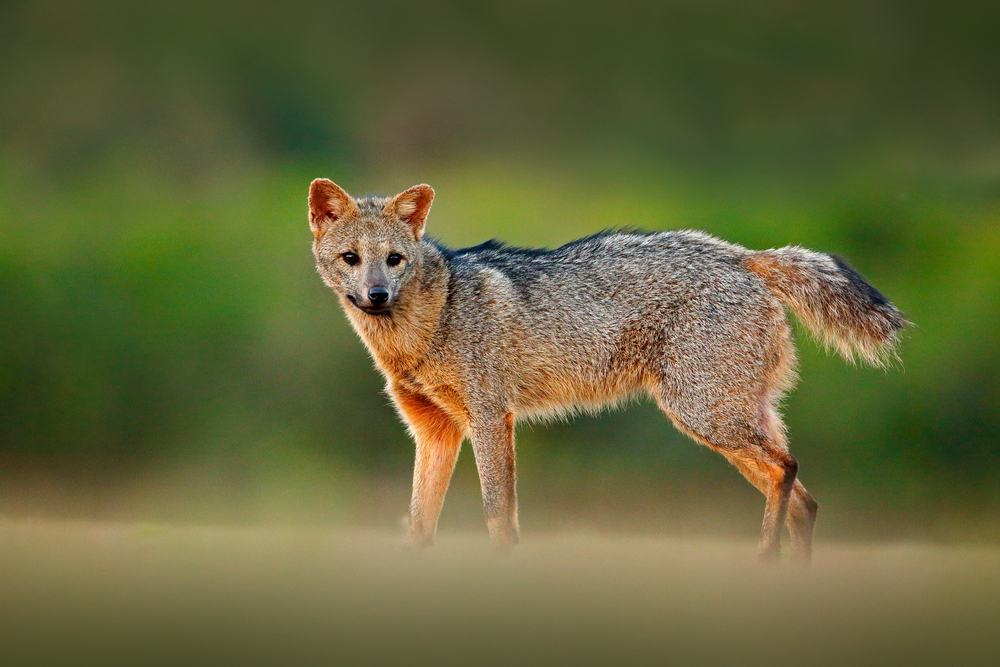
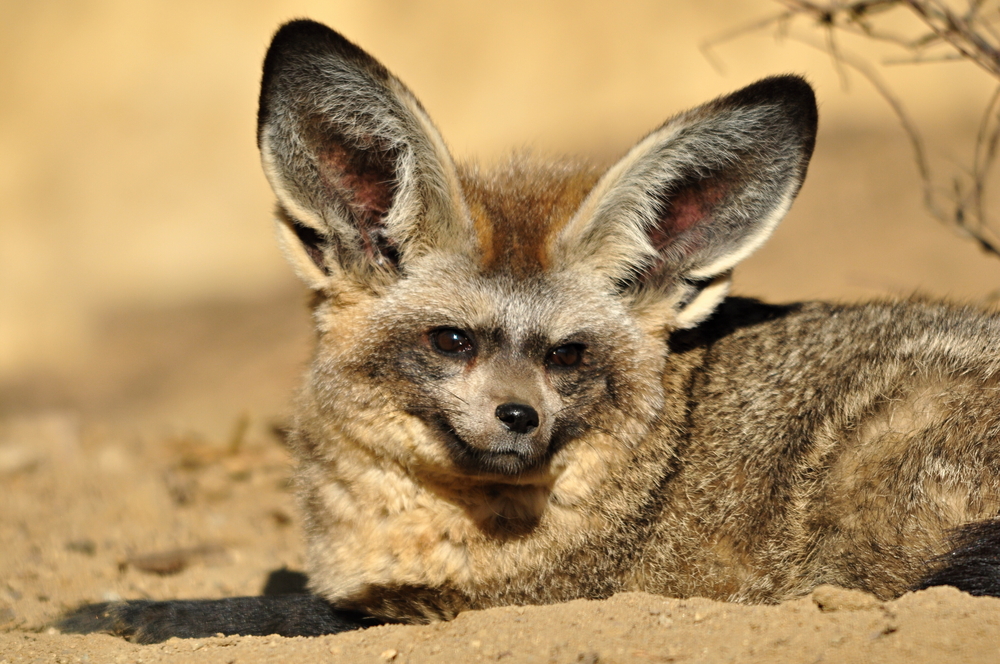
The Pampas Gray Fox is a distinctive mid-sized canid endemic to South America’s southern cone, particularly the Pampas region. Though foxlike in appearance, it belongs to the genus Lycalopex—a group of canids unique to South America that diverged early from other wolves and foxes. Its behavioral flexibility, ecological tolerance, and ability to thrive in agricultural landscapes make it a unique and resilient member of the continent’s carnivore community. Below is a structured overview in the style of the AK Uniqueness document:
Member of South America’s Native Canid Radiation:
The Pampas Gray Fox is one of six species in the genus Lycalopex, which includes the Patagonian Fox, Hoary Fox, and Sechuran Fox.
Specialist of Temperate Grasslands:
Unlike most foxes that favor forests or deserts, the Pampas Gray Fox is a grassland and shrubland specialist.
-
Inhabits the open plains, savannas, and farmland margins of Argentina, Uruguay, southern Brazil, Paraguay, and Bolivia
-
Capable of long-distance travel, but prefers territories rich in small mammals, insects, and fruit
Blends into Human Landscapes:
The Pampas Gray Fox is not only tolerant of human presence, but has successfully adapted to livestock farms, crop fields, and roadside environments.
-
Frequently seen in agricultural mosaics, making it one of the most human-adapted wild canids in South America
-
Maintains stable populations despite habitat fragmentation
Hybrid Identity and Taxonomic Debate:
For years, its classification was debated—some populations were once considered a subspecies of the Patagonian Fox (Lycalopex griseus), but genetic and behavioral data confirm it as a separate species.
-
Differentiated by skull shape, morphology, and range
-
Exhibits unique vocalizations and scent-marking behavior
Ecological Importance as a Seed Disperser and Pest Regulator:
As both a frugivore and small mammal predator, the Pampas Gray Fox helps:
-
Control rodent populations in agricultural zones
-
Disperse seeds of native and invasive plants, contributing to grassland ecology
-
Clean the environment by scavenging carcasses and organic waste
Cultural Significance:
Known locally as “zorro pampeano” or “zorro de Azara,” this fox features in regional folklore as a symbol of cunning and adaptability.
-
Also associated with rural identity in parts of Argentina and Uruguay
-
Sometimes hunted for fur or blamed for poultry loss, but increasingly seen as a harmless and even beneficial species
The Pampas Gray Fox is uniquely South American—a fox in form, but a wild canid in spirit. With its ecological versatility, grassland specialization, and evolutionary independence, it represents a success story of wildlife resilience in human-dominated landscapes. Its ability to balance stealth, scavenging, and subtle coexistence makes it one of the continent’s most quietly important carnivores.