






25 Animal Facts That Sound Fake But Are Actually 100% True
- 11 min read
- By Phillp Imler


Animals have developed many fascinating ways to survive in the world around them. Some have unusual body parts, while others have special abilities that help them find food, communicate, move, or protect themselves from danger.
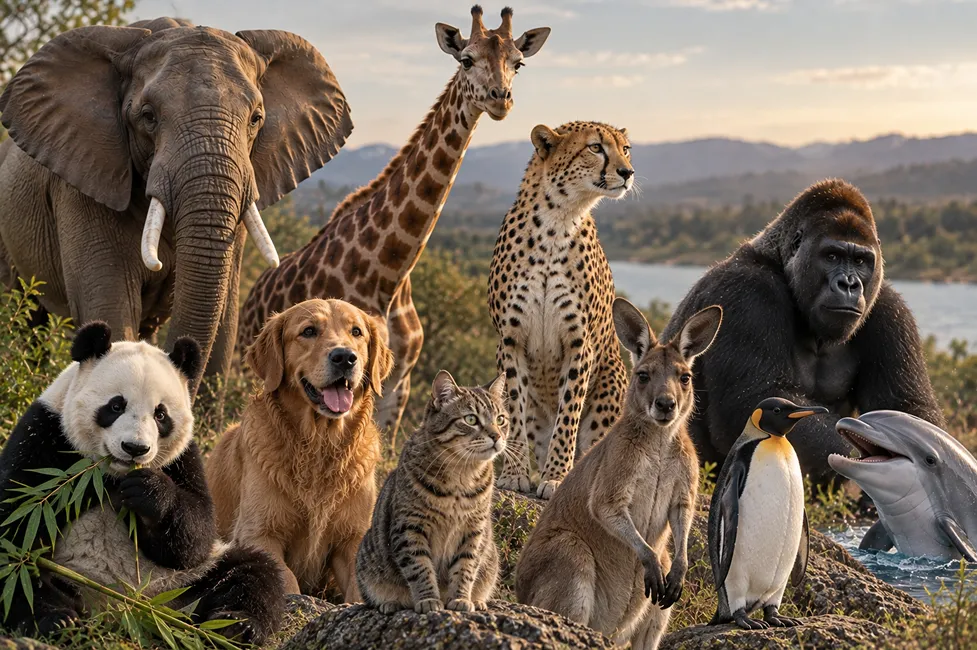
From frogs and butterflies to elephants, sharks, and cheetahs, these 25 facts highlight the fascinating diversity found in Animal Kingdom’s wildlife and the unique ways different species adapt to their surroundings.
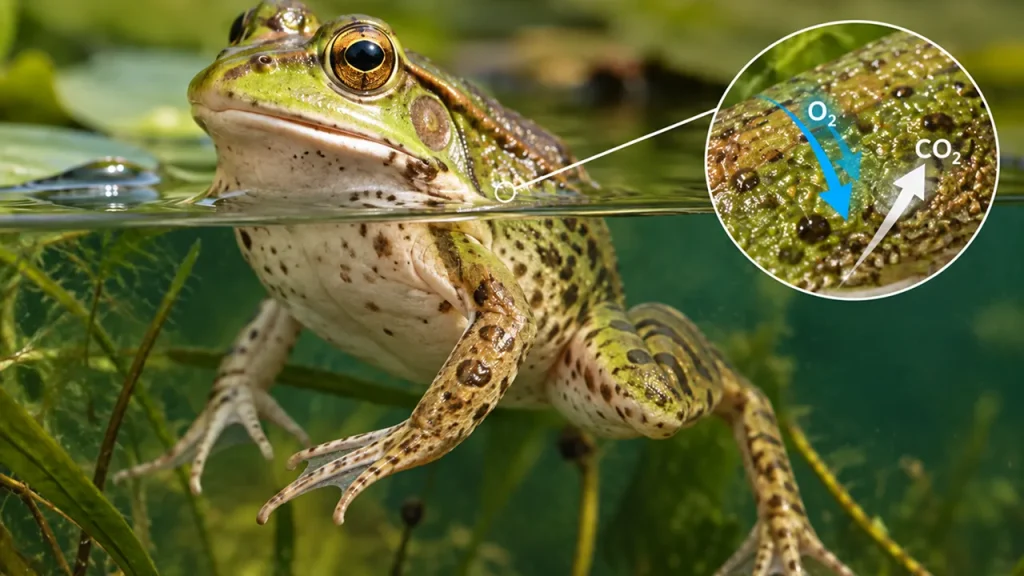
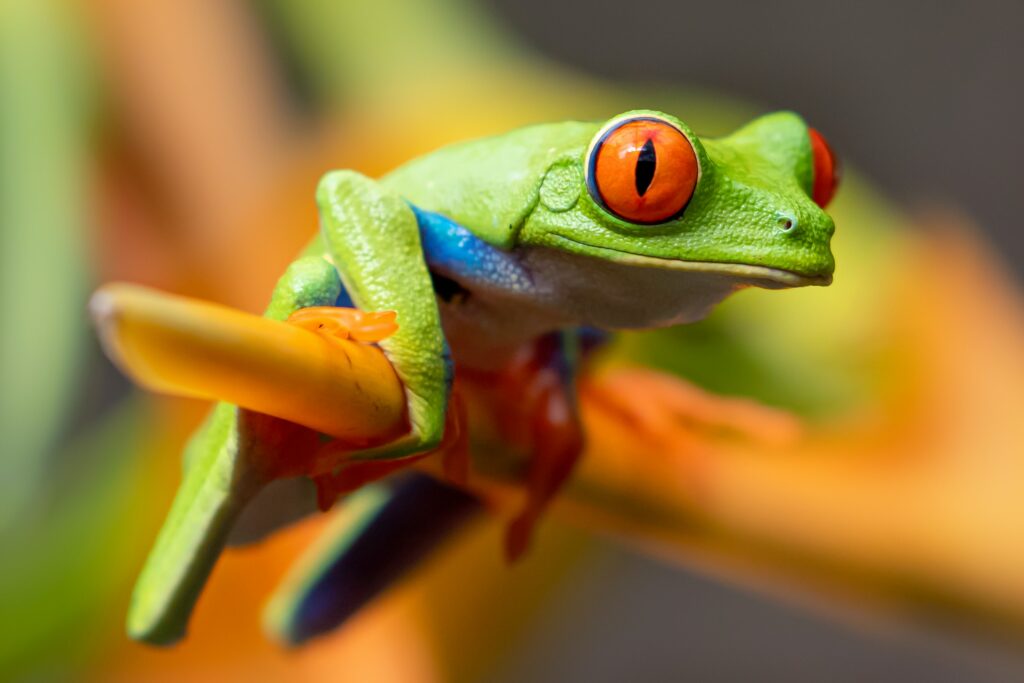
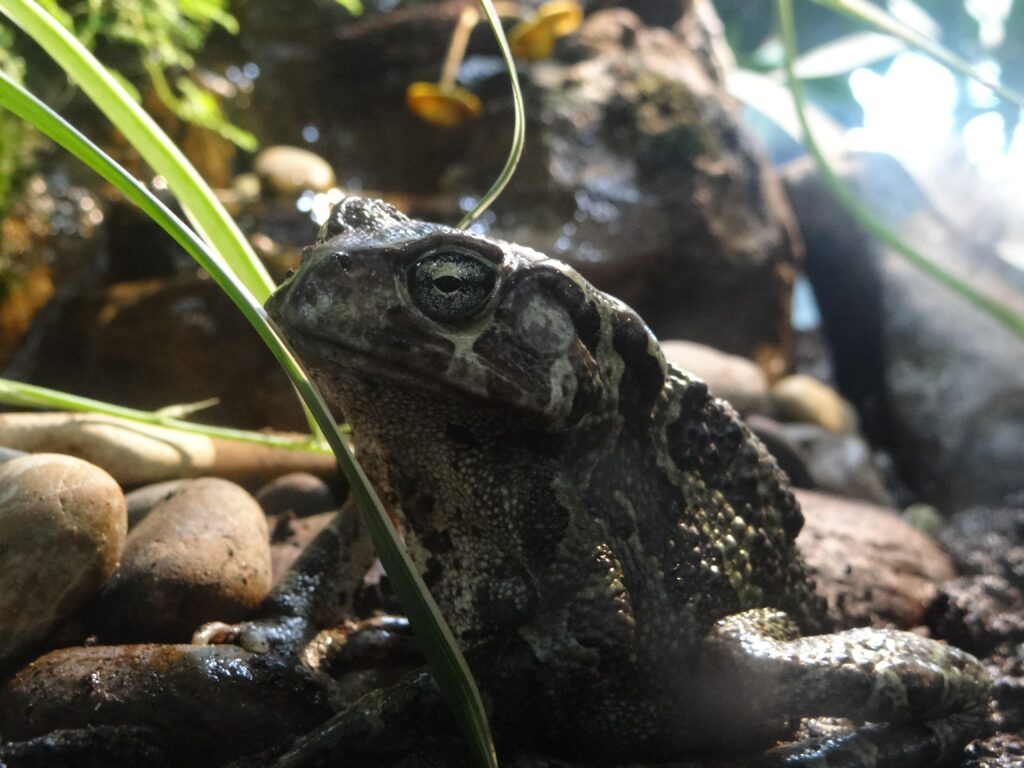
Frogs do not rely only on their lungs for breathing. Their moist skin can absorb oxygen from the surrounding environment, which can be especially useful when they are in water or resting in damp places.
Their skin needs to remain moist for this process to work effectively. This allows frogs to use their skin alongside their lungs to take in oxygen.

Butterflies have taste receptors on their feet. When they land on a plant, these receptors help them detect chemicals on its surface.
This ability is particularly useful when butterflies are choosing plants. Female butterflies can use chemical information from plants when deciding where to lay their eggs.

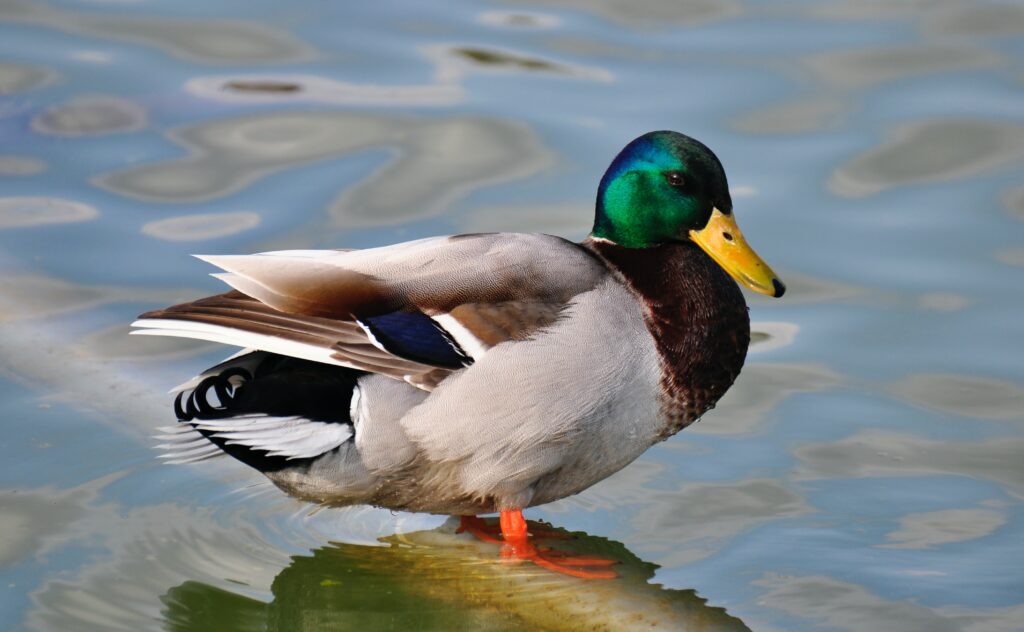
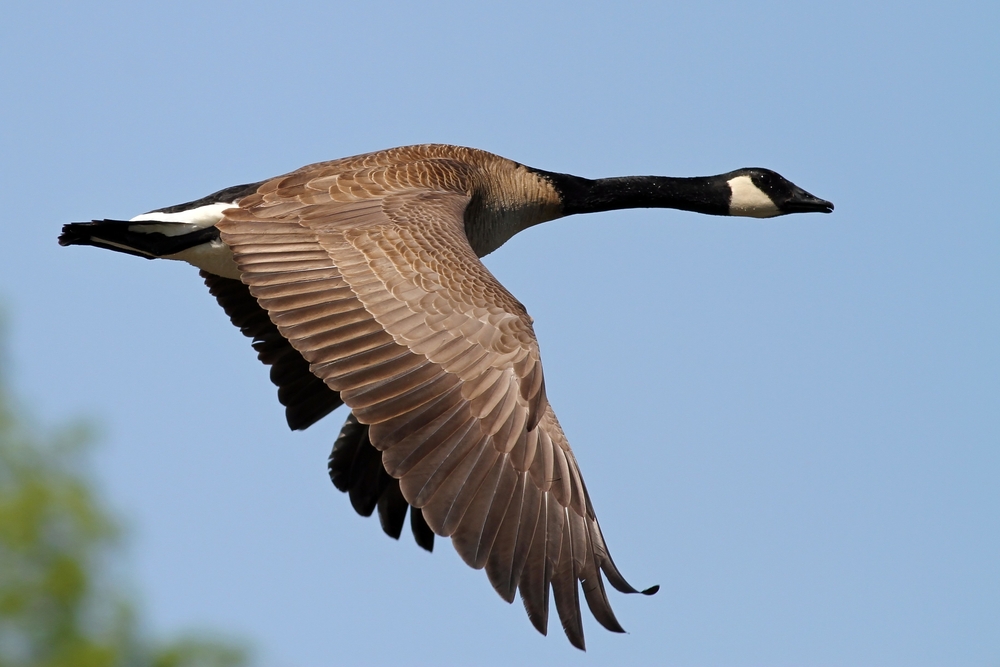
Ducks spend a large amount of time in and around water, so their feathers provide important protection from moisture. Natural oils and the structure of their feathers help water run off their bodies.
Their feathers also help keep them warm. Ducks regularly clean and arrange their plumage to maintain its condition.

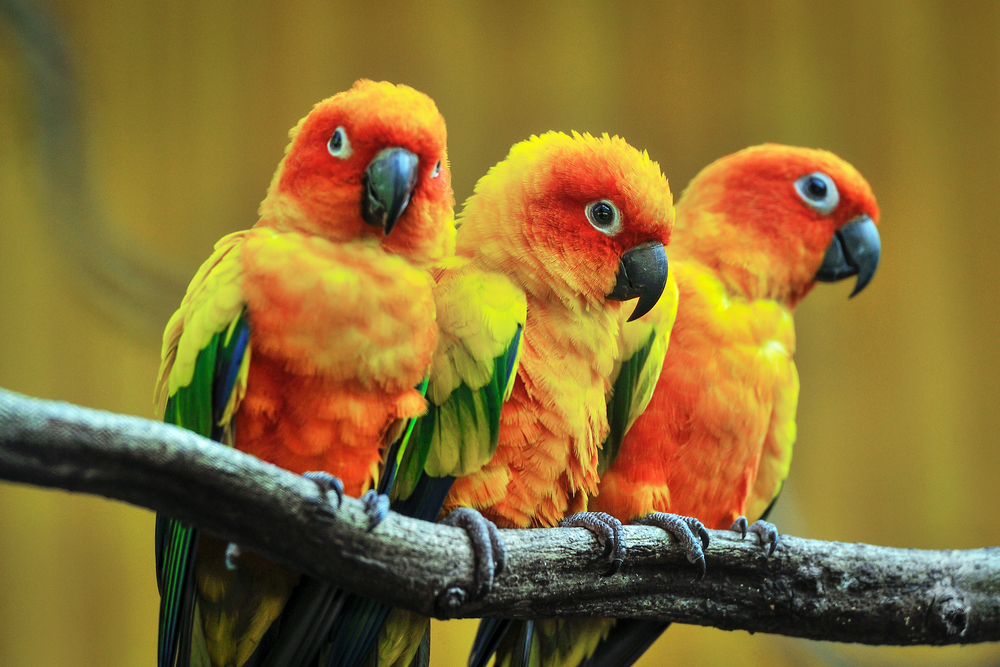
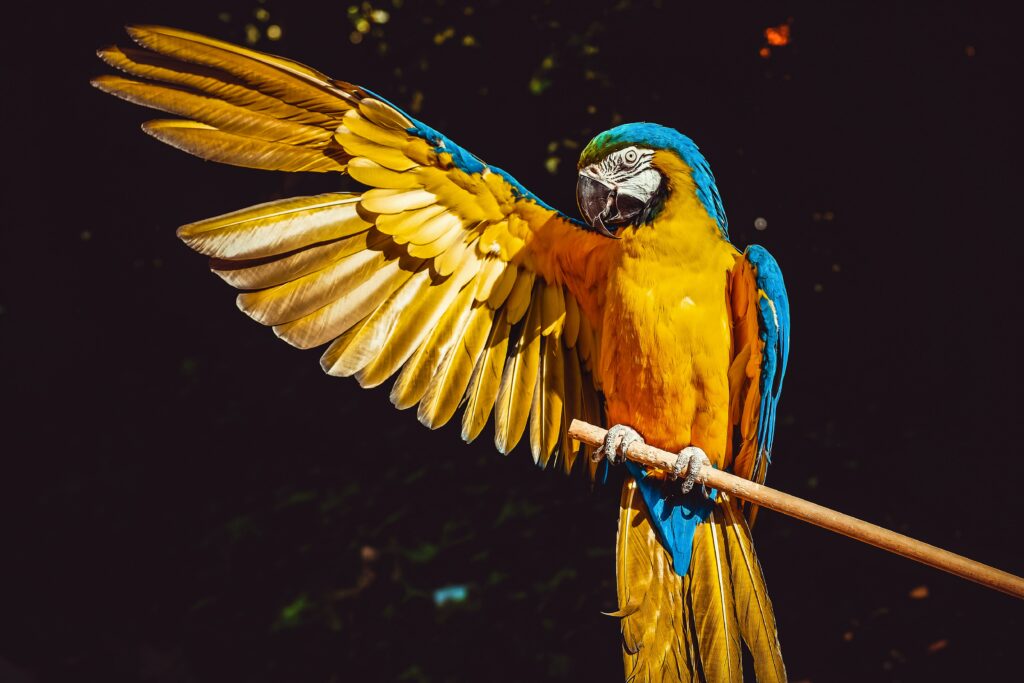
Many parrots are skilled at copying sounds they hear around them. Some species can imitate human speech, while others reproduce calls and noises from their surroundings.
This ability is connected to their social behavior. Parrots use different sounds to communicate, and some species can learn and repeat sounds over time.

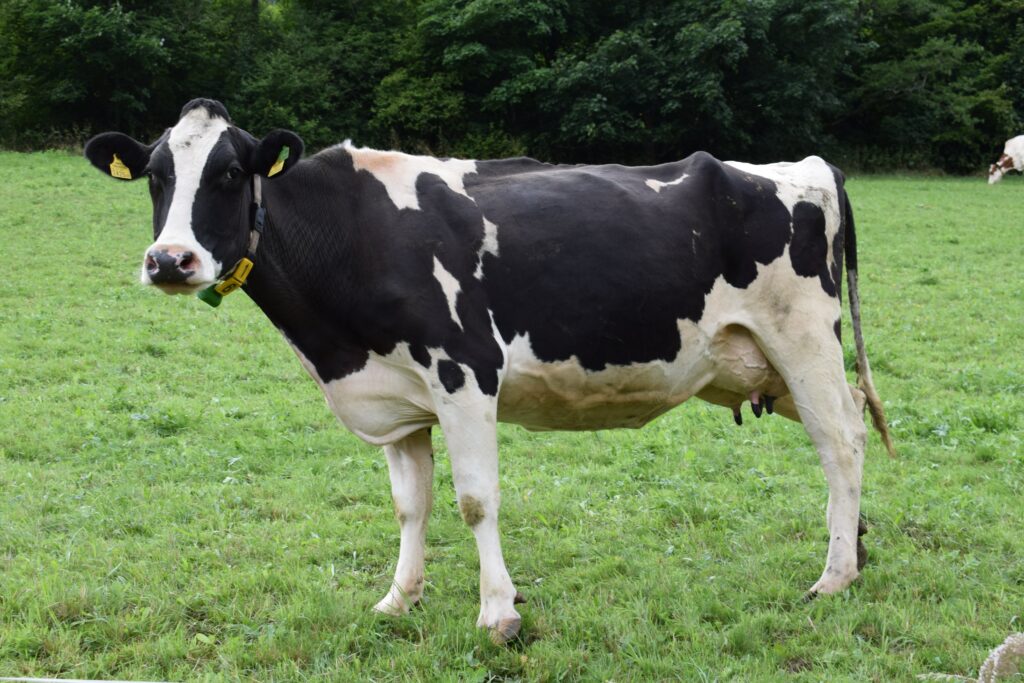
Cows have a specialized digestive system with four stomach compartments. This system helps them process grass and other tough plant material.
Microorganisms in their digestive system play an important role in breaking down plant matter. Cows can also bring food back up and chew it again as part of normal digestion.

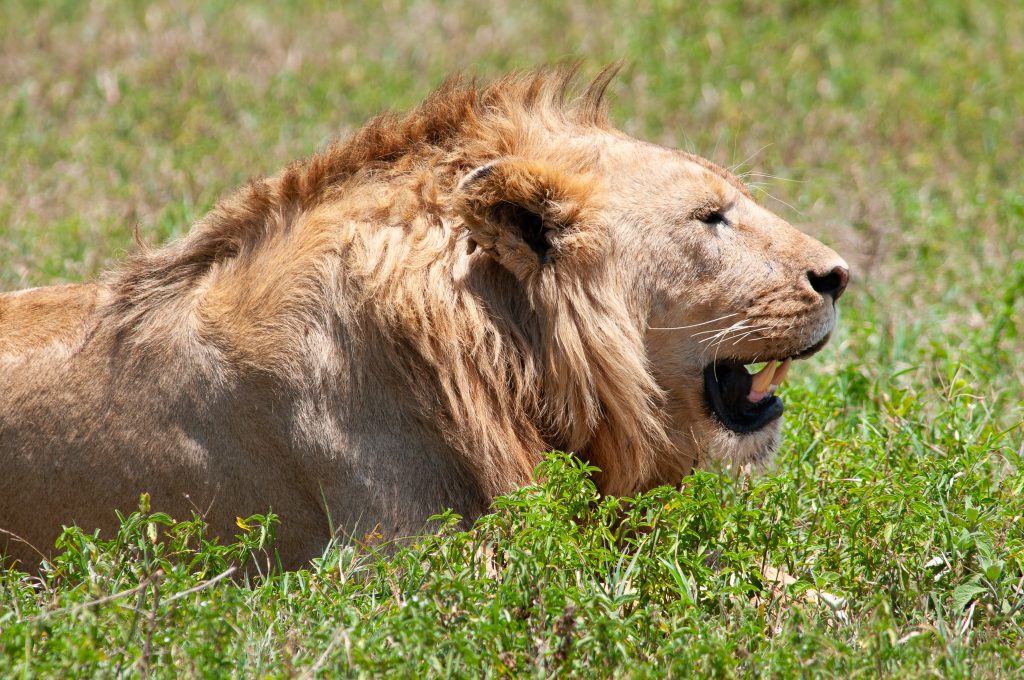
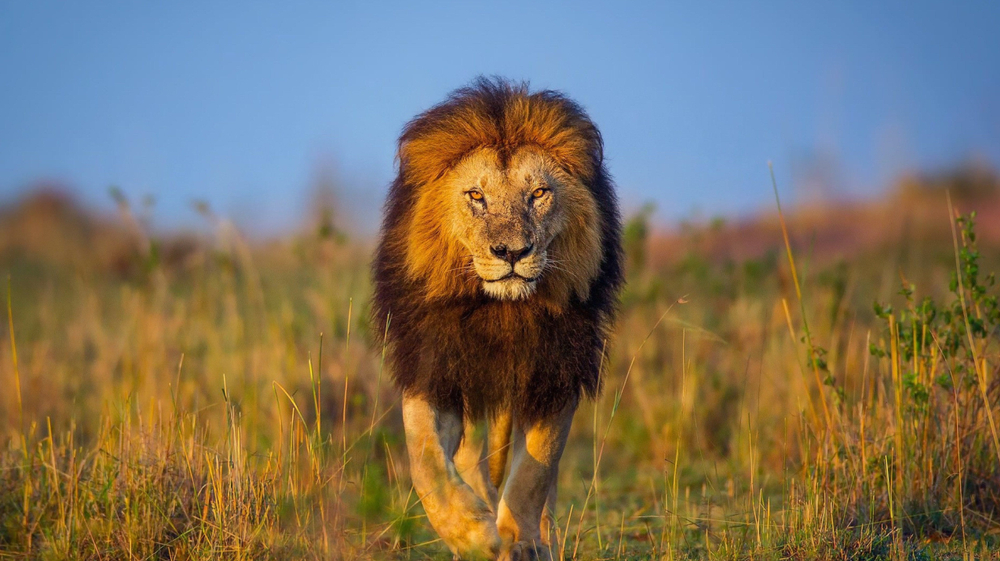
Lions are among the few cat species known for living in social groups. These groups, called prides, commonly include females, young cubs, and males.
Living together can provide several advantages. Lions can cooperate while hunting, protect young animals, and defend their territory from other lions.

Elephants can communicate using very low-frequency sounds called infrasound. These sounds can travel long distances, allowing elephants to communicate even when they are far apart.
They also use body movements, touch, and other sounds to communicate. This helps elephants stay connected with members of their social groups and share information across their environment.

Tigers are well adapted to hunting in low-light conditions. Their eyes contain features that help them see better at night than humans, making it easier to detect movement in dim environments.
This ability is especially useful because tigers often become more active during the evening and night. Their strong vision helps them navigate and locate prey when there is less available light.

Giraffes use their long, flexible tongues to reach leaves from trees and shrubs. Their tongues help them pull vegetation from branches while feeding.
Their feeding style works together with their long necks and specialized mouths. These adaptations allow giraffes to reach food that is often difficult for other animals to access.

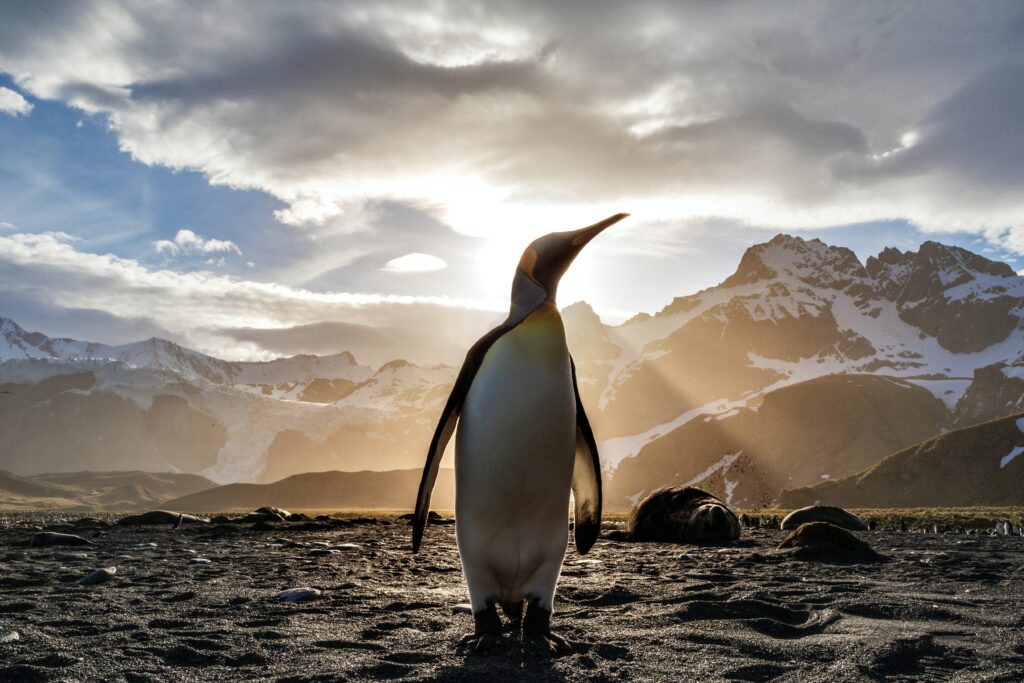
Penguins cannot fly through the air, but their bodies are highly adapted for movement underwater. Their wings have evolved into flippers that help them push through the water.
Their streamlined bodies also help them move efficiently. Dense feathers provide insulation, which is especially important for penguins living in cold environments.

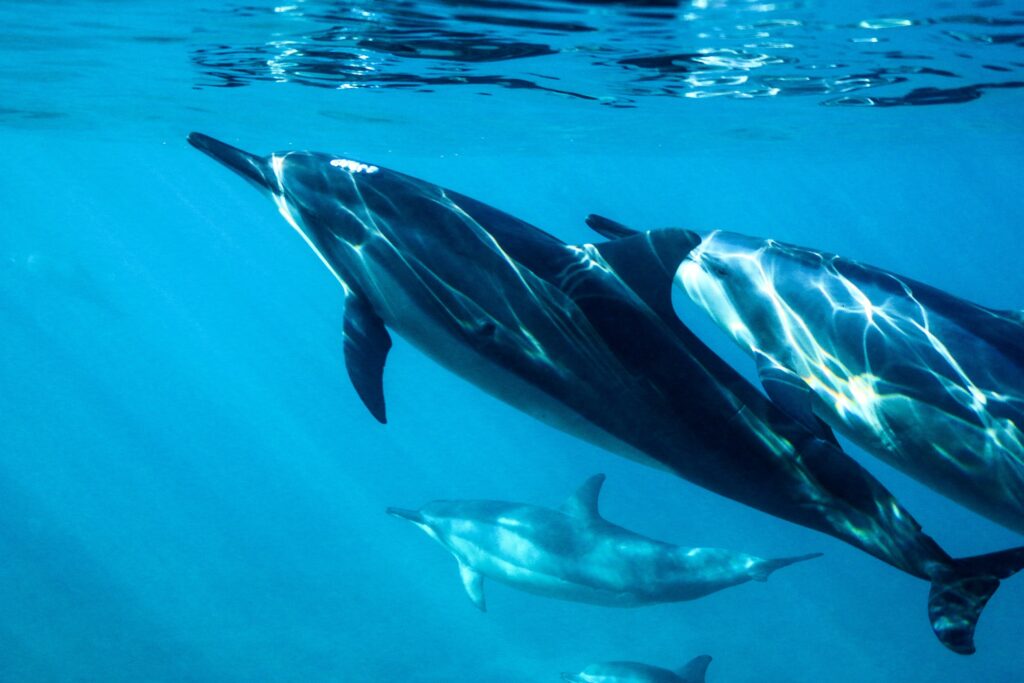
Many dolphins use echolocation to gather information about their surroundings. They produce sounds and listen for the echoes that return from nearby objects.
This ability can help dolphins locate objects and prey underwater. It is particularly useful when visibility is limited or when they need additional information about their surroundings.

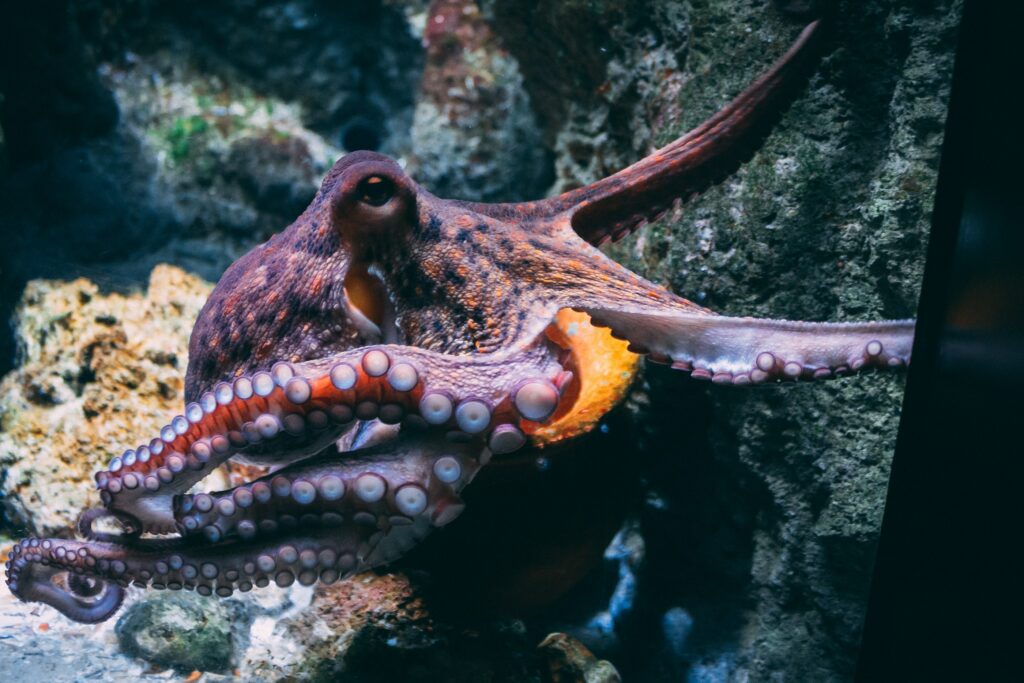
An octopus has three hearts. Two hearts send blood toward the gills, while the third pumps blood around the rest of the body.
Their unusual circulation is suited to life underwater. Octopus blood also contains a copper-based protein that helps transport oxygen.

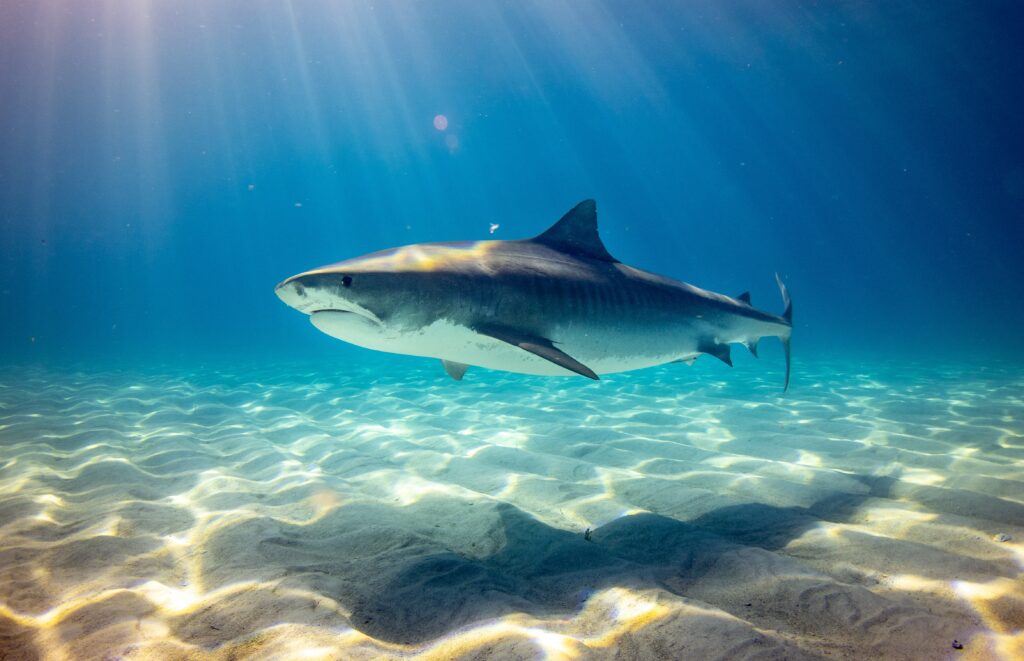
Sharks have specialized sensory organs that allow them to detect weak electrical signals in the water. Nearby animals can produce these signals through muscle and nervous-system activity.
This ability gives sharks another way to locate animals in their environment. It can be particularly useful when visibility is limited.

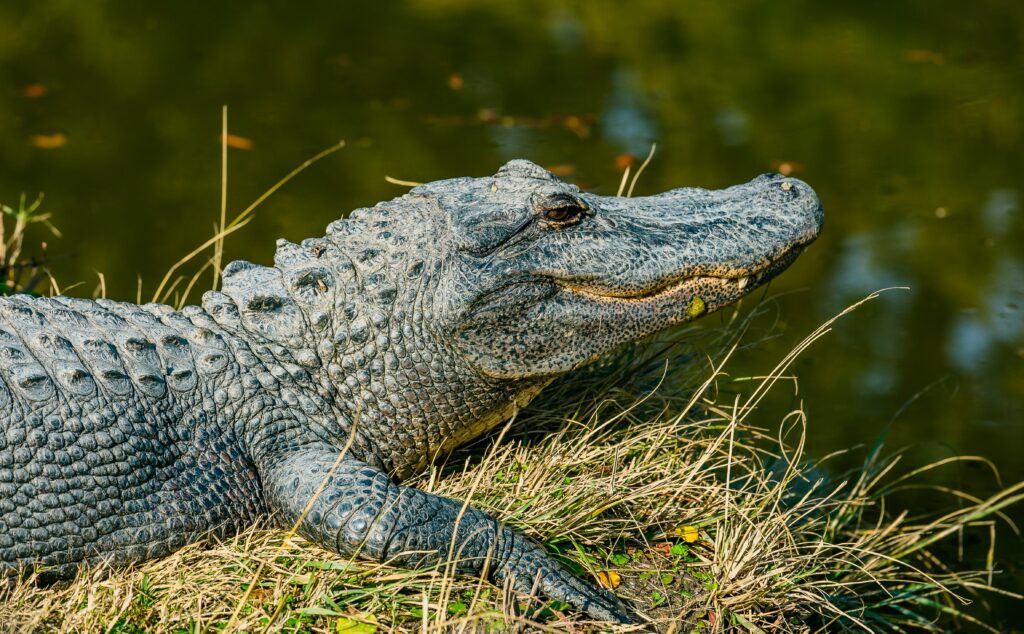
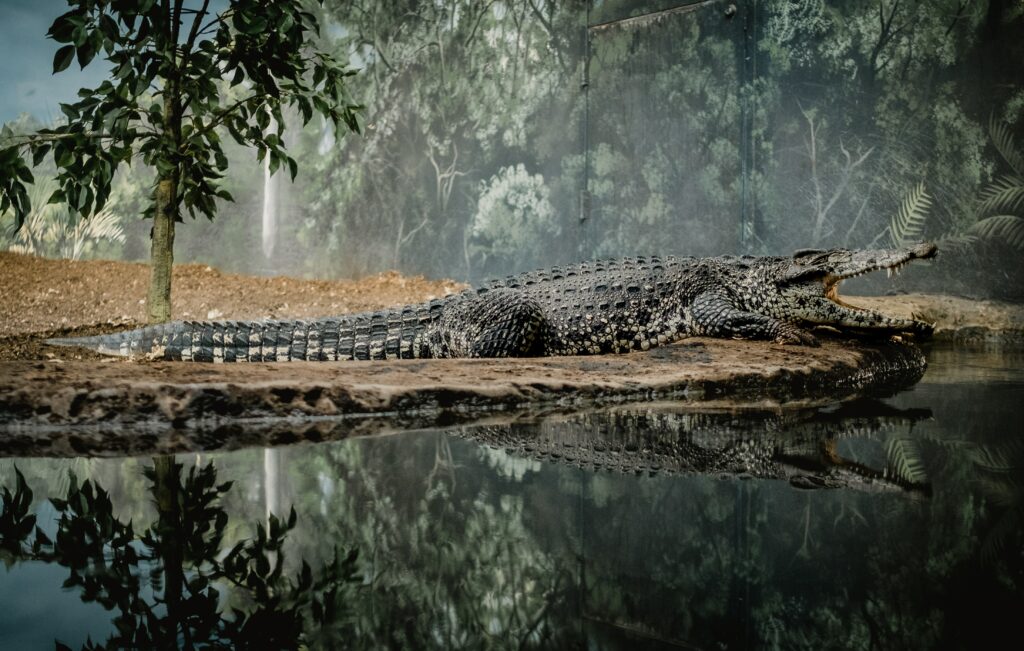
Crocodiles can replace teeth throughout their lives. When a tooth is lost, another tooth can develop to take its place.
This is useful for animals that depend heavily on their teeth for catching and holding prey. Replacing lost teeth helps maintain their ability to feed.

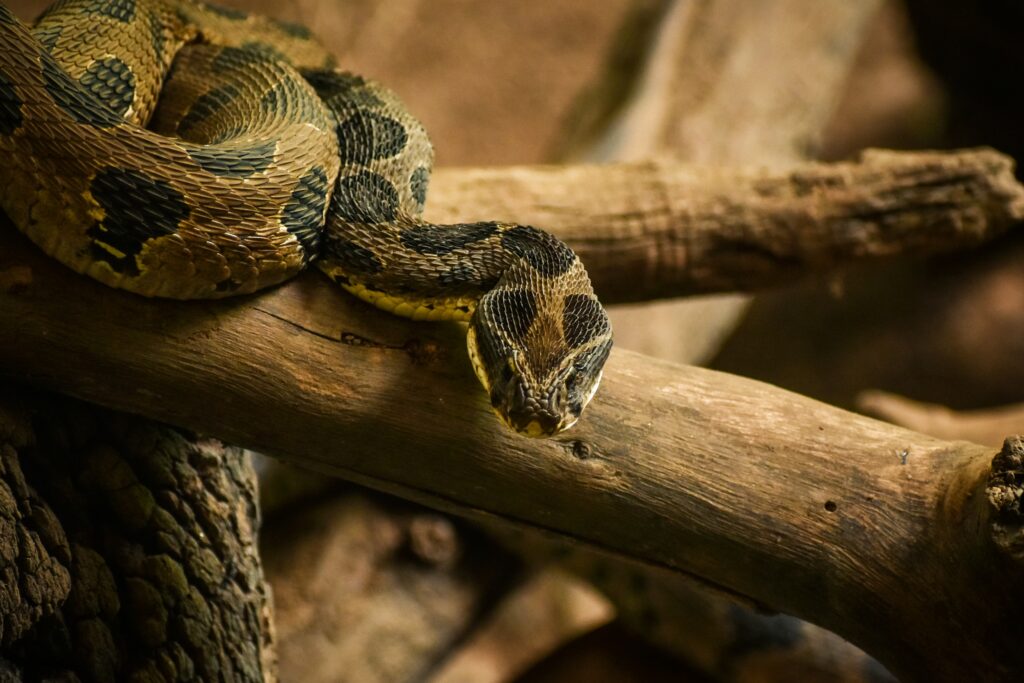
A snake’s forked tongue helps collect chemical particles from the environment. The particles are then transferred to a specialized sensory organ inside the mouth.
This gives snakes useful information about what is around them. By sampling chemicals from different directions, a snake can gather clues about nearby animals and its surroundings.

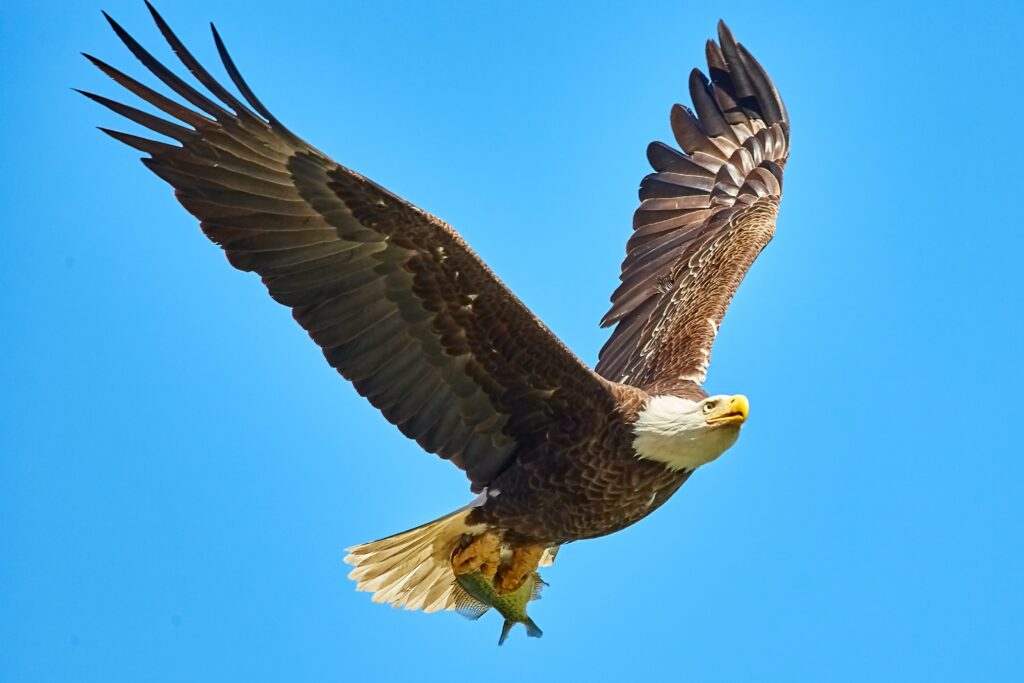
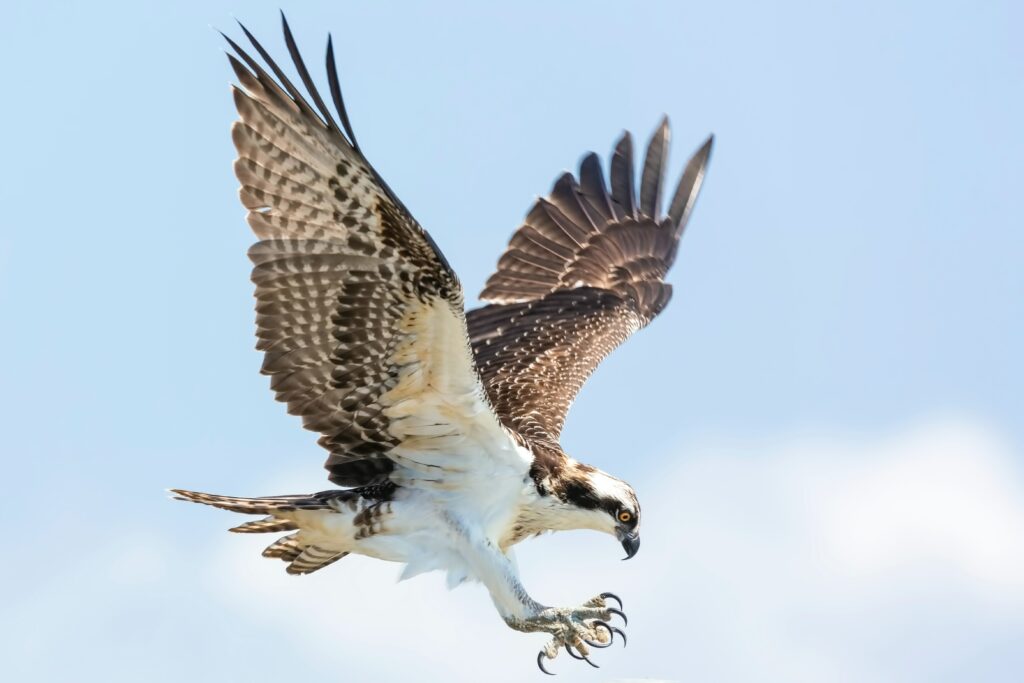
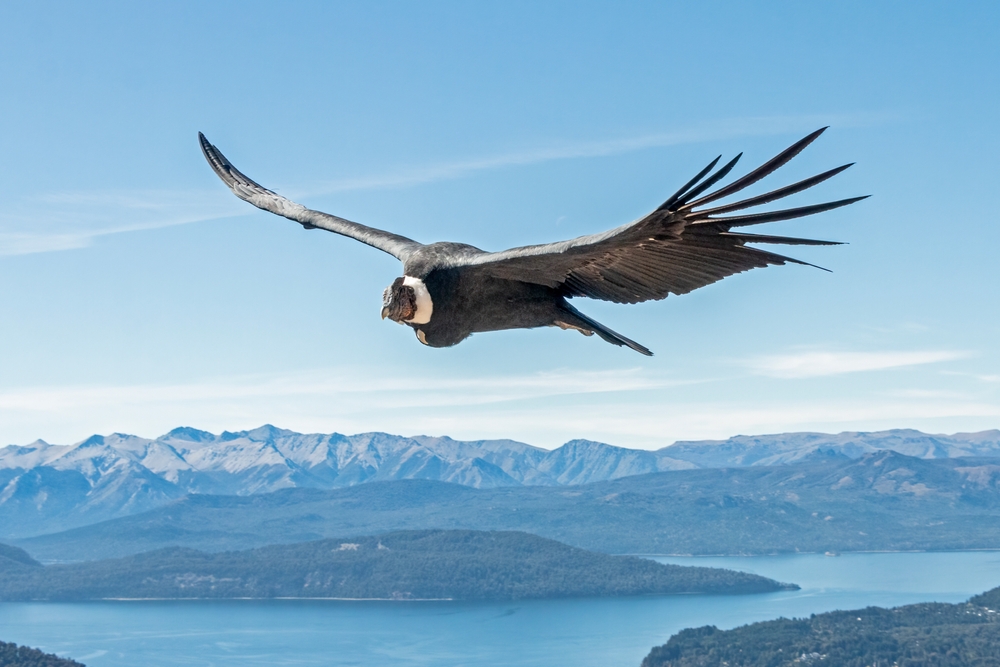
Eagles are known for their powerful eyesight. Their eyes allow them to detect details across large areas, which is particularly helpful when searching for prey from the air.
Good vision is an important part of how these birds hunt. Being able to notice movement or small objects from above helps them identify potential prey.

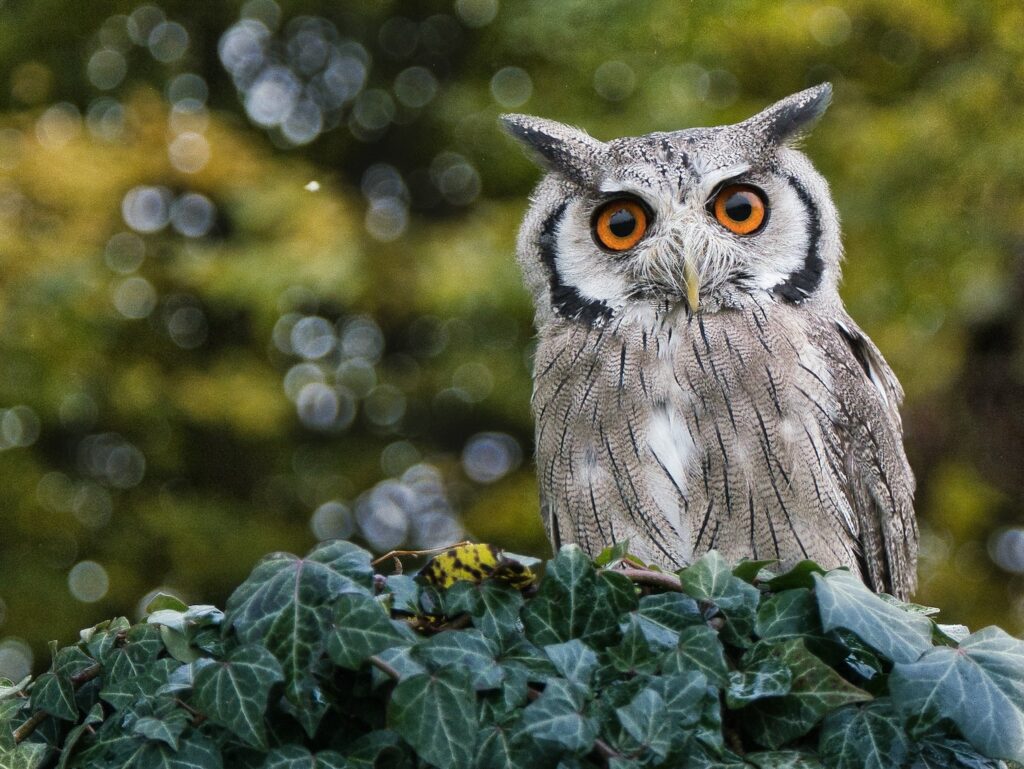
Many owl species have specialized feather structures that reduce the sound produced during flight. This allows them to move through the air more quietly than many other birds.
Quiet flight can be particularly useful when hunting. An owl can approach prey while producing less sound, giving it a better chance of remaining unnoticed.

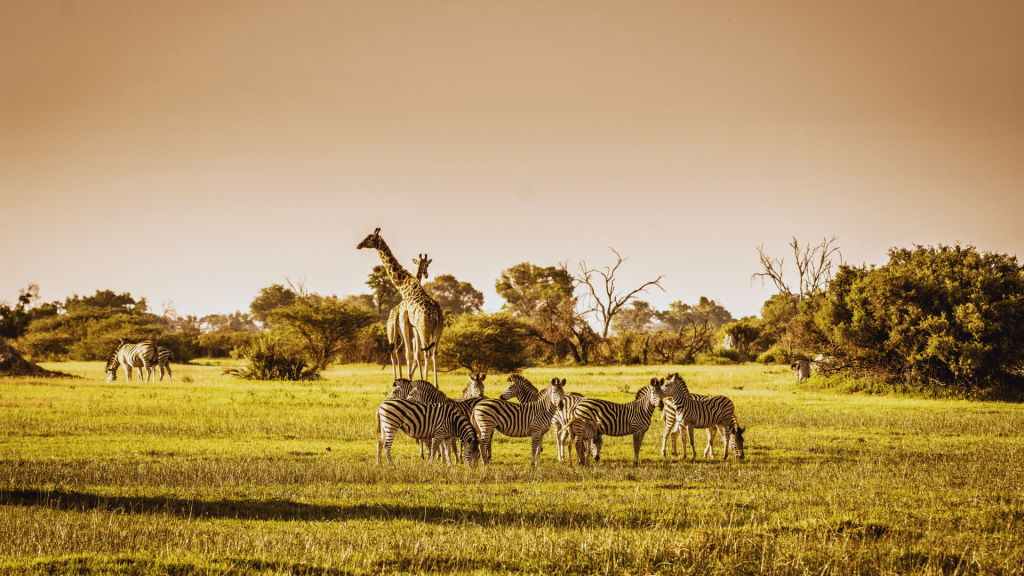
Zebras are easily recognized by their black-and-white stripes. However, the arrangement of the stripes differs from one individual to another.
The pattern develops before birth and remains distinctive throughout the animal’s life. Scientists continue to study the different possible functions of zebra stripes.

A kangaroo’s large tail plays an important role in movement. It helps the animal maintain balance while jumping and can also provide support when it is standing or moving slowly.
The tail works together with the powerful hind legs of the kangaroo. Its strong muscles help the animal stay stable and control its body as it moves across the ground.

Giant pandas have a specialized wrist bone that works somewhat like an extra thumb. It helps them grip bamboo while eating.
This adaptation gives pandas better control over bamboo stems and leaves. Their strong jaws and teeth then help them process this tough food.

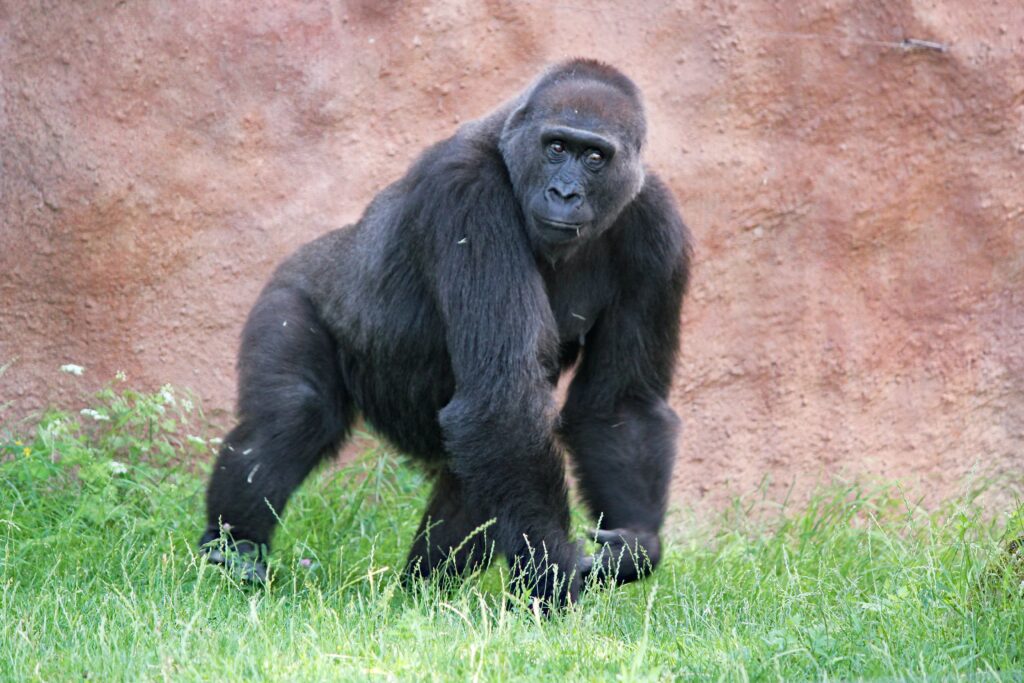
Gorillas use sounds, facial expressions, body movements, and other behaviors to communicate. These signals help them interact with other members of their social groups.
Communication is important for maintaining relationships and responding to situations within the group. Different signals can convey different types of information.

Cheetahs are the fastest land animals. Their long legs, flexible spine, lightweight body, and large strides allow them to accelerate rapidly when chasing prey.
Their speed is designed for short bursts rather than long-distance running. After a high-speed chase, a cheetah needs time to recover before continuing its activity.

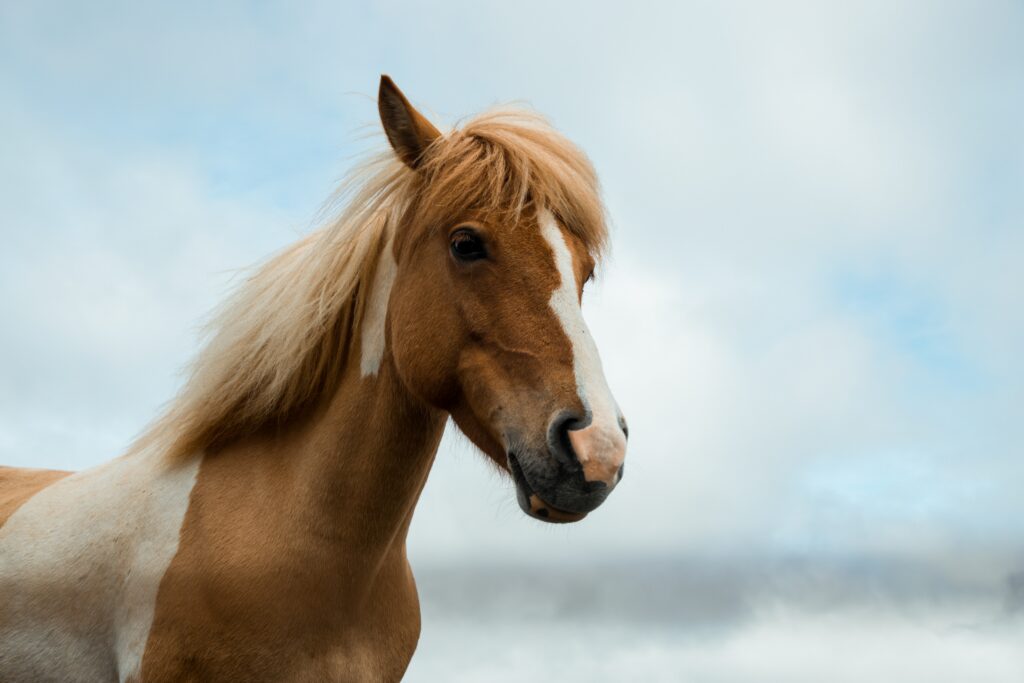
Horses have a special system in their legs that allows them to remain standing while resting. This lets them doze without having to lie down.
However, standing rest does not replace deeper sleep. Horses also need periods of lying down to get adequate rest.

Dogs rely heavily on their sense of smell to understand their surroundings. Their noses can detect and distinguish many odors that humans may not notice.
Smell is important in many parts of a dog’s life. It can help them follow trails, investigate objects, recognize other animals, and gather information about their environment.

A cat’s whiskers are highly sensitive and help it detect changes around its face. They can provide information about nearby objects and spaces.
Whiskers are especially useful when cats move through unfamiliar or narrow areas. They give cats additional information about what is close to their bodies.
The natural world is full of adaptations that help different species survive in very different environments. Some abilities are easy to see, while others involve specialized body parts, senses, or behaviors.
From frogs absorbing oxygen through their skin to cheetahs reaching incredible speeds, these facts offer a closer look at the remarkable ways animals live and adapt to their surroundings.